

Industrial circular connectors should be selected by electrical load, pin assignment, mating interface and environmental exposure—not shell diameter alone. This guide compares locking types and outlines the checks OEM engineers and purchasing teams should complete before requesting a JNICON drawing or quotation.
Start with your voltage, current per contact, cable outside diameter, mating-cycle requirements and installation environment. Compare the exact connector pair against its datasheet, and validate samples under application conditions. A circular housing or familiar pin count does not by itself guarantee waterproofing, signal performance or interchangeability with another brand.
Industrial Circular Connector Selection Checklist
For a standard industrial circular connector, start with the specified mating interface and circuit requirements. Record the applicable interface specification or both manufacturers' drawings, keying, contact arrangement and cable termination. A familiar shell diameter or pin count alone does not establish interchangeability.
Use this checklist to compare industrial circular connectors. Coupling style alone does not establish current capacity, ingress protection or cross-brand compatibility; verify the exact part number and mating pair.
| Selection factor | What to check | Information to send JNICON |
|---|---|---|
| Electrical load | Rated operating voltage, current per contact, ambient temperature and derating. Do not use withstand voltage as the operating rating. | AC/DC supply, continuous and peak current, duty cycle. |
| Pin layout | Contact count, pin assignment, keying, protective-earth requirements and power/signal separation. | Wiring diagram and mating-face drawing. |
| Locking type | Threaded, bayonet or push-lock engagement; installation clearance and required retention tests. | Available space, vibration conditions and mating frequency. |
| Sealing | Model-specific IP rating in the specified assembled or mated condition; cable-gland fit and exposure to cleaning chemicals. | Cable outside diameter and exposure conditions. |
| Cable termination | Conductor size, termination method, strain relief and bend radius. | Cable construction, assembly length and routing. |
| Interchangeability | Matching shell size is not proof of compatibility. Verify interface dimensions, keying, contacts and applicable approvals. | Both mating part numbers and dimensioned drawings. |
Review the product-specific specifications below, then request the matching drawing and sample validation before production approval.
Match the Checklist to a Specific Model
Compare the exact part and mating pair in the JNICON circular connector range. For mixed circuits, use the hybrid power-and-signal connector models and specify the load on each contact group. Ask for the corresponding drawing, cable-entry dimensions and application test conditions before approving a substitution or production order.
For coastal equipment, review the circular connector salt mist and corrosion test guide before treating an IP rating as evidence of corrosion resistance. Define the mated or capped assembly, test method and electrical acceptance criteria for the actual installation.
Structural Advantages: Geometry, Strain Dispersal, and Locking Mechanics
Industrial circular connectors provide compact, keyed interfaces for power and signals. A round shell can simplify sealing and cable entry, but geometry alone does not establish a waterproof rating, vibration resistance or electrical approval.
Sealing Depends on the Complete Assembly
Evaluate the mating seals, panel seal, cable gland and unused-contact sealing together. Confirm the exact model's ingress-protection rating, whether that rating applies when mated or capped, and the specified test conditions. IP67, IP68 and high-pressure washdown requirements are different; a connector rated for one exposure should not be assumed suitable for another.
For factory installations, record the cable outside diameter, seal material compatibility, installation instructions and exposure to oils or cleaning agents. Replacing a cable or seal can change the performance of the assembled interface.
Threaded, Bayonet and Push-Pull Locking
Threaded couplings can offer secure retention when installed as specified. Bayonet and push-pull mechanisms can reduce mating steps, but the choice also depends on access, retention force, mating cycles and the application's vibration profile. Ask for the manufacturer's installation and qualification data rather than assuming every quick-lock interface is interchangeable.
A locking mechanism does not by itself demonstrate compliance with a military specification. Verify the exact series, specification, qualification scope and supporting documentation before specifying a connector for a regulated or military program.
For equipment-level pinout, cable termination and procurement checks, see our circular electrical connectors OEM guide.
Analyzing Pin Densities: From 2-Pin Power to 8-Pin Signal Topologies
Pin count is a starting point, not a complete electrical specification. Select a circular connector by the required circuits, contact size, voltage, current, protective-earth requirements and mating-interface drawing.
Low-Pin-Count Power and Control Interfaces
- 2-pin interfaces: May support two-conductor DC or other defined circuits. Confirm polarity, ratings and whether separate protective bonding is required.
- 4-pin interfaces: Can serve power, control or sensor circuits depending on the model. Similar pin counts do not establish compatible wiring.
- 5-pin interfaces: Some applications allocate contacts to three phases, neutral and protective earth, but this is not a universal pinout. Follow the equipment's electrical design and the connector's approved contact assignments.
6-Pin and 8-Pin Signal Layouts
Six- or eight-contact models can consolidate encoder, control or monitoring circuits. Specify each signal's voltage, current, shielding and separation requirements. Pin count alone does not establish high-speed data capability; verify impedance, shielding and protocol suitability where applicable.
Check the male and female mating views carefully. Numbering can appear mirrored between drawings, and keying prevents only the mismating situations for which it was designed. Approve a pin-to-pin continuity map and sample assembly before releasing production quantities.

High-Current Power Feeds & Thermal Management
For high-current equipment, a connector's operating temperature depends on the complete installation: current, contact resistance, conductor size, ambient temperature, neighboring loaded contacts and enclosure ventilation.
Resistive heating follows P = I²R. A small increase in termination resistance can therefore create a significant temperature rise at high current. Check crimp or screw-termination quality, conductor preparation and assembly instructions, not just the nominal current printed in a catalog.
Contact materials and plating vary by model. Request the applicable contact-resistance limits, current-derating information and temperature-rise test conditions; do not apply an unverified resistance value to an entire connector family. Validate the selected assembly at the intended duty cycle and ambient temperature.
Use our high-current connector overheating test checklist to organize the acceptance checks and evidence required before production release.

Adapters, Retrofitting, and Cross-Brand Compatibility
Legacy machinery may use proprietary interfaces, including Amphenol circular connectors. Begin a replacement assessment with the original part number, mating-part details and drawings. Availability and cost should be evaluated alongside compatibility and qualification requirements.
Circular connector adapters can sometimes bridge a defined interface change, but they are not automatically compatible across different threads, keyways, pin layouts or ratings. Document dimensions, gender, contact numbering, cable entry and environmental requirements before proposing an adapter.
For a JNICON alternative, request a drawing comparison and a sample evaluation. A similar shell size or contact count is not evidence of a drop-in replacement, equivalent approval or identical performance. Confirm electrical, mechanical and application-specific requirements with the equipment owner before substitution. References to other brands identify existing interfaces and do not imply endorsement or universal interchangeability.
For an in-depth analysis of evaluating component manufacturing quality and custom adapter tooling, read our technical guides on analyzing an industrial connector manufacturer for harsh grids and our comprehensive waterproof connector sourcing guide for industrial plants.
Recommended Industrial Product Lineup
To assist procurement managers and systems engineers in selecting the ideal component platform for their facility needs, we maintain distinct product families engineered for specific current capacities, custom configurations, and operational environments.
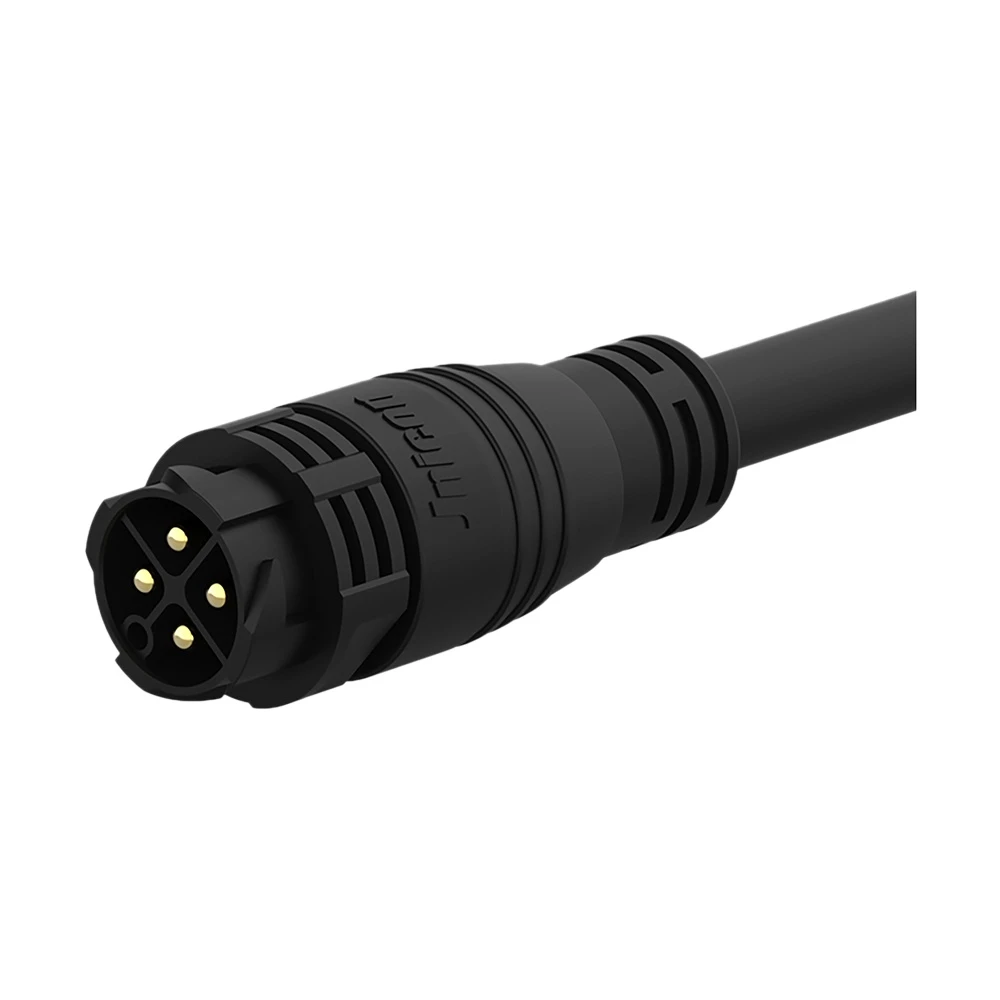
M25 4-Pin Waterproof Connector 50A Push Locking Molded with Cable for Industrial Automation
Pre-molded 50A 4-pin push-locking waterproof connector with IP67-rated cable, ready-to-use for industrial equipment and outdoor LED lighting installations.
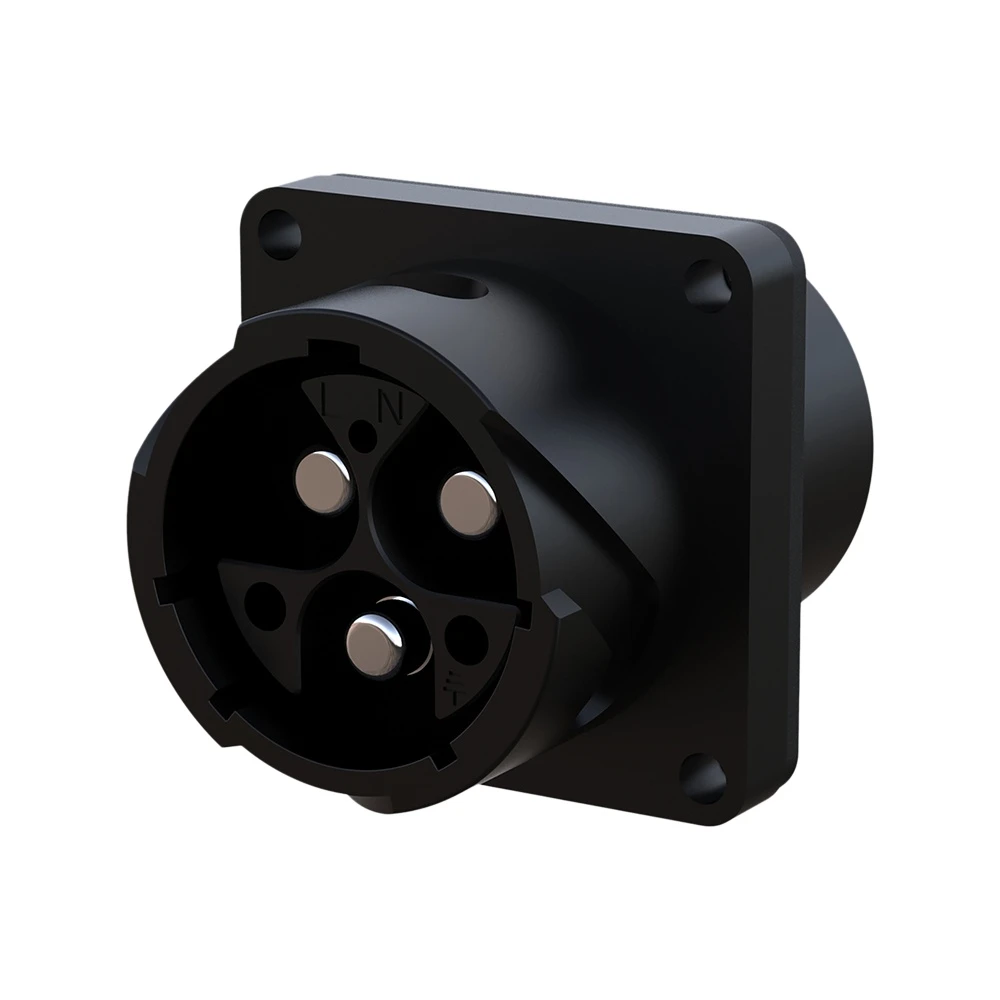
M28 3-Pin Waterproof Connector 80A Bayonet Locking IP67 for Solar & Storage
80A 3-pin bayonet-locking waterproof circular connector with IP67 rating for solar photovoltaic and energy storage systems.
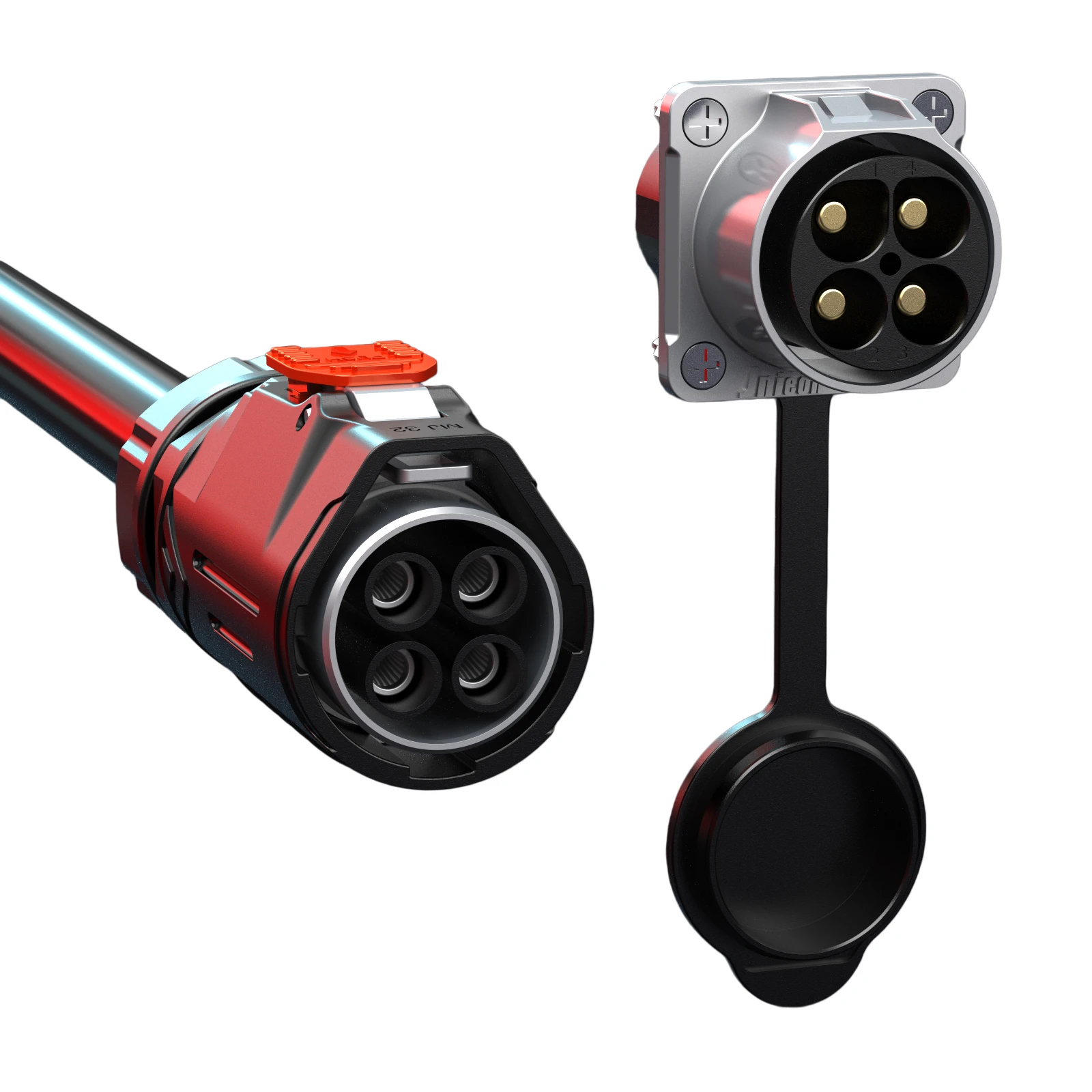
MJ32 4-Pin Waterproof Connector 80A Quick Lock for Energy Storage
80A quick-lock waterproof connector for energy storage and industrial power, with IP67 protection and reliable power transmission.
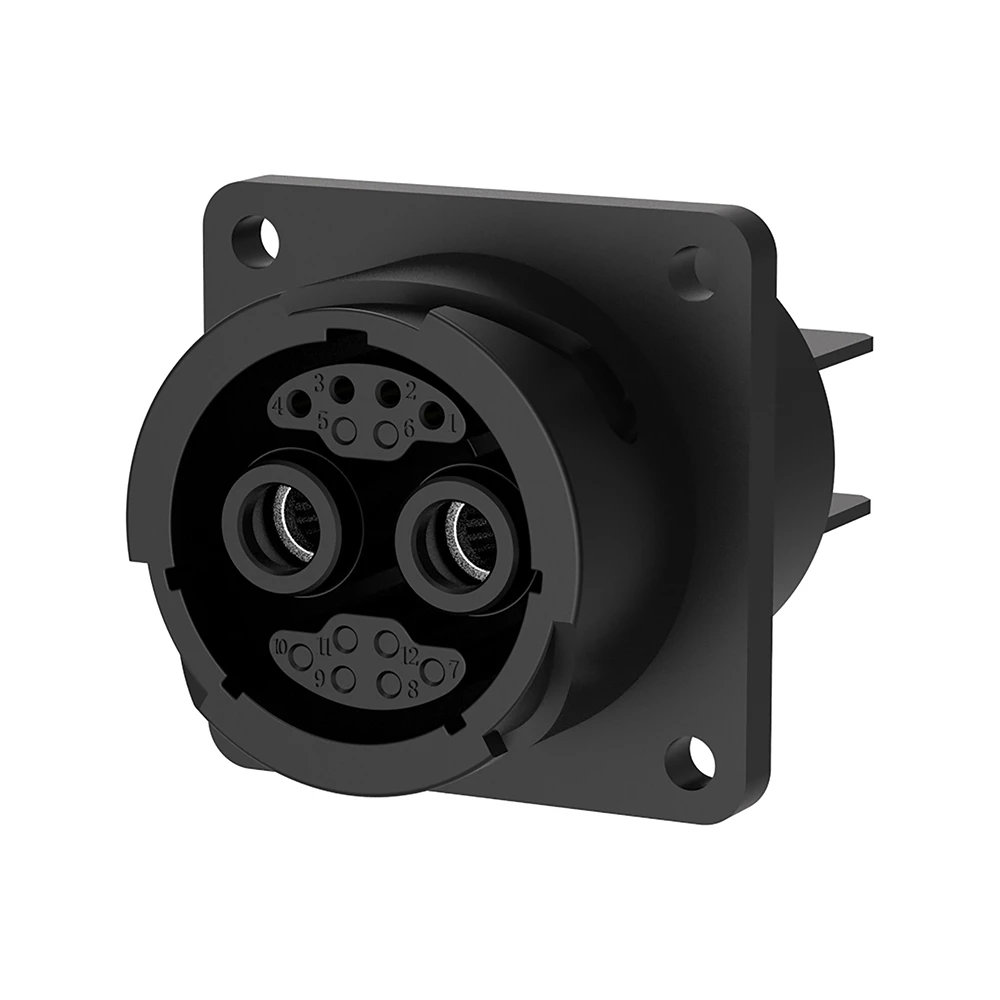
M40 2+4 Pin Hybrid Waterproof Connector for Power and Signal
120A+10A hybrid bayonet lock waterproof connector combining power and signal in one compact design.

M19 5 Pin Waterproof Connector 15A Push Locking IP67 for Power Systems
15A 5 pin push-locking waterproof circular connector with IP67 rating for industrial power and marine systems.
To view complete technical specs, dimensional prints, and datasheets across our full hardware catalog, explore our comprehensive Circular Connectors Portfolio, our main Product Center, and our dedicated Connectors Category.
Recommended Industrial Solution Frameworks
Facility infrastructure management extends beyond individual hardware selection to complete electrical distribution architectures. Sourcing from an established manufacturing partner provides access to fully validated engineering frameworks tailored to challenging industrial environments.

Low-Altitude Economy
Connector and cable assembly review for UAV ground equipment, payload interfaces and related industrial systems. Define weight, space, vibration, power and signal requirements with JNICON. Airborne or safety-critical use requires its own qualification; an industrial catalog listing is not aircraft approval.
Explore Solutions
Marine & Offshore
Sealed power, signal and cable interfaces for marine equipment and offshore installations. Review salt exposure, condensation, vibration, cleaning and service conditions with JNICON. A stated IP68 rating does not by itself establish continuous subsea, pressure-depth or marine-class approval.
Explore Solutions
Security & Safety
Power and signal connectivity for surveillance, alarm, access-control and outdoor security equipment. JNICON can review circular connectors, Ethernet interfaces and cable assemblies against the installation drawing, data requirements and exposure conditions.
Explore SolutionsTo review detailed operational case studies and access industry-specific technical blueprints, browse our complete Industrial Solutions Directory.
Quality Audits and Manufacturing Validation Frameworks
A supplier audit should establish traceable evidence for the factory, product and application. Company-level management-system certification is not the same as product approval, and certificates should be checked for issuer, validity, legal entity and scope.
Ask JNICON for the documentation applicable to the proposed model and production location. Where an automotive, medical or other regulated program requires a specific management system or qualification, verify that requirement explicitly; do not assume it applies to every industrial connector supplier or model.
Define Qualification and Production Checks
- Ingress protection: Record the exact IP rating, assembly state, cable and seal configuration, and test conditions. A generic immersion depth does not establish all IP68 applications or washdown suitability.
- Temperature and vibration: Define the equipment's operating envelope and request relevant test evidence. A catalog temperature range is not proof that every assembled cable has passed thermal-shock or vibration qualification.
- Corrosion and chemical exposure: Select tests and acceptance criteria appropriate to the service environment, including salt, oils or cleaning agents where relevant.
- Production consistency: Agree on inspection records, pin-to-pin testing where applicable, lot traceability, drawing revision control and handling of material or process changes.
Before approving volume supply, identify which results come from model qualification, sample testing and routine production inspection. Ask for the agreed evidence package with the quotation and sample plan.
To learn more about selecting high-reliability wiring hardware, review our published technical guides on waterproof wire connectors for plant sourcing, waterproof electrical connectors for factory automation, waterproof wire connector selection for factory OEM lines, waterproof wiring connectors for marine trailer harnesses, 2 pin waterproof connector selection for 12V DC grids, waterproof automotive connectors for heavy vehicle fleets, and industrial connectors for factory automation networks.
Frequently Asked Questions (FAQ)
Conclusion: Partnering for Reliable Industrial Sourcing
Optimizing your facility's electrical infrastructure requires looking beyond low-cost parts and carefully evaluating a supplier's engineering capabilities, quality control systems, and raw material tracking. Sourcing components directly from a trusted manufacturing partner protects your equipment from field failures and helps stabilize your assembly line costs. The Jnicon engineering team is ready to support your business with a wide selection of standard circular connectors or completely customized hybrid cable assemblies. To request detailed technical spec sheets, arrange a digital factory audit, or receive a project quotation, connect with our support team through our direct Inquiry and Contact Portal.